Prototype Development & Production Launch Support For Formed Metal Components

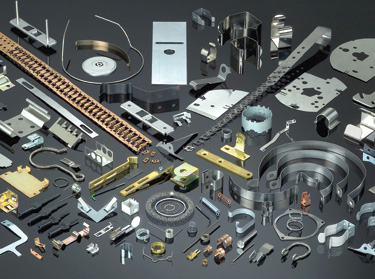
Four-Slide Technology, Inc. supports manufacturing programs from early prototype development through long-term production launch for clips, clamps, brackets, wire forms, flat stampings, and assembled metal components.

Successful production programs require more than simply producing an initial sample. Geometry validation, manufacturability review, tooling refinement, inspection planning, material selection, assembly considerations, and process stability all influence how effectively a component transitions into repeatable production.

Prototype review and production launch planning for precision metal components

Development Support From Concept Through Production

Manufacturing programs often evolve significantly between early concept review and stable production launch. Packaging changes, assembly requirements, geometry refinements, material updates, and tooling adjustments frequently occur throughout the development cycle.

  • Engineering review
  • Prototype evaluation
  • Tooling development
  • Process refinement
  • Inspection planning
  • Production readiness

This page is about reducing manufacturing-launch risk

The strongest support comes from continuity between engineering, tooling, quality, and manufacturing rather than treating prototype work as a disconnected sample-making exercise.

What To Align Before Launch Planning

Prototype validation and production workflow support

Successful launch support depends on aligning engineering requirements with practical manufacturing realities.

During development, engineering, tooling, manufacturing, and quality teams may evaluate forming progression, material behavior, tolerance requirements, secondary operations, assembly integration, tooling performance, inspection requirements, and production repeatability.

Prototype & Launch Review Priorities

Prototype, bridge, and early production support may be used to validate geometry, manufacturability, assembly interaction, and process direction before full launch.

Feasibility review, control plans, PPAP support, process validation, inspection planning, and customer-specific documentation can all be part of launch preparation depending on the program.

Keeping tooling development connected from prototype through production helps reduce avoidable delays and preserve production learning across program phases.

Tooling and process adjustments may be evaluated and incorporated throughout development and launch as production requirements evolve.

Engineering, tooling, manufacturing, and quality processes stay aligned to support repeatability, process control, and stable long-term output after launch.

Common Questions About Prototype & Production Launch Support

Can prototype parts be produced before full production tooling is completed?

Depending on the application, prototype tooling, bridge tooling, and early production support may be used to validate geometry, manufacturability, and assembly interaction before full production launch.

Does prototype development include manufacturability review?

Yes. Engineering and manufacturing review are commonly integrated into prototype development to help identify forming, tooling, assembly, or material considerations early in the process.

What types of launch support are available?

Programs may include APQP support, tooling refinement, inspection planning, PPAP coordination, process validation, and production-readiness activities depending on customer requirements.

Can engineering changes be incorporated during launch?

Yes. Tooling and process adjustments may be evaluated and incorporated throughout development and launch as production requirements evolve.

How does Four-Slide Technology support long-term production stability?

Engineering, tooling, manufacturing, and quality processes are aligned to support repeatability, tooling continuity, process control, and stable production throughout the life of the program.

Supporting Page

Start Your Prototype Or Production Launch Review

Send drawings, specifications, timing requirements, or production details to begin a manufacturability and launch review with our team.