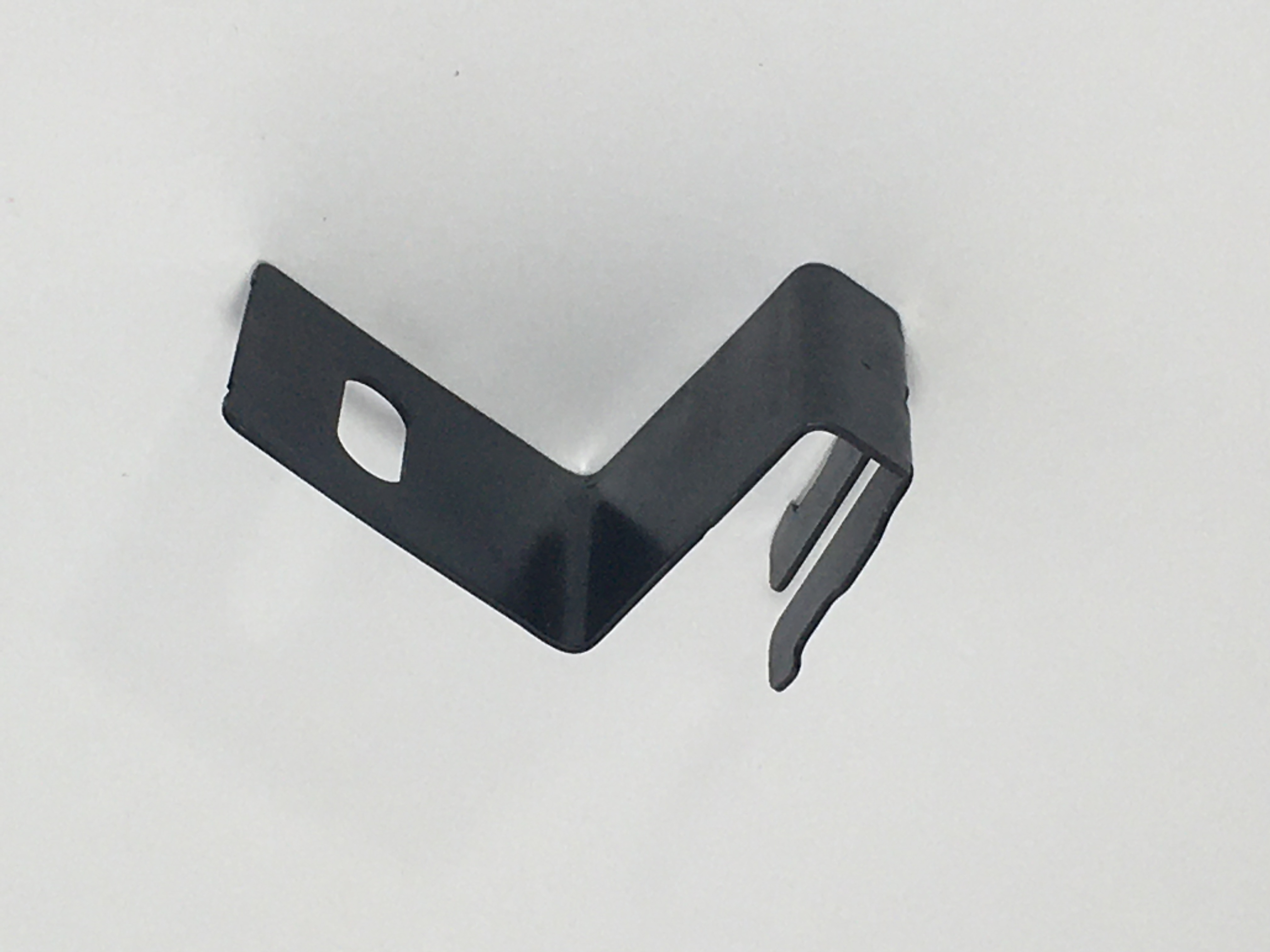
Custom Formed Brackets For Mounting, Support & Assembly Integration

Four-Slide Technology, Inc. manufactures custom brackets and formed metal support components used to mount, position, reinforce, shield, and organize assemblies across transportation, industrial, electrical, energy, and equipment applications.

Programs range from simple angle brackets to complex multi-bend forms with tabs, offsets, hooks, slots, mounting features, and assembly interfaces designed around specific installation conditions.

Custom metal brackets and bracketry produced by Four-Slide Technology, Inc.

Common Bracket Applications

Brackets are commonly used where assemblies require stable mounting, controlled positioning, reinforcement, shielding, or repeatable attachment within larger systems.

  • Mounted supports
  • Chassis brackets
  • Shielding brackets
  • Cooling-system supports
  • Routing hardware
  • Enclosure mounting
  • Structural reinforcement
  • Harness supports
  • Equipment attachment points

Designed for vibration, thermal cycling, and long-term structural stability

These components are frequently used throughout automotive systems, electric vehicles, commercial vehicles, heavy truck applications, industrial equipment, energy systems, and building products where installation speed, serviceability, and repeatable geometry all matter.

Key Mounting, Geometry & Production Variables
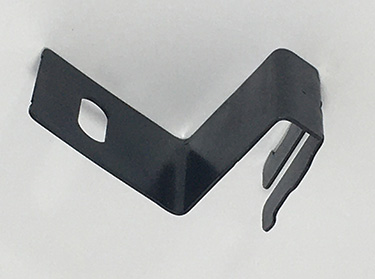
Detail view of formed metal bracket with mounting features

Bracket performance is often driven by more than the basic mounting shape alone.

Factors such as bend geometry, offsets, hole locations, tabs, slots, embosses, mounting interfaces, material thickness, and assembly interaction all influence how the component performs during installation and long-term use.

Bracket Review Priorities

Bracket programs may use carbon steel, stainless steel, specialty alloys, and selected finishes based on corrosion resistance, structural requirements, appearance, and environmental exposure.

Mounting geometry often includes pierced features, tabs, slots, offsets, embosses, and locating details chosen around interface accuracy, installation repeatability, and mating-part interaction.

Depending on the application, bracket programs may involve secondary forming, welding, hardware insertion, fastening, or integration into larger assemblies when that improves manufacturing flow or downstream installation.

Production method is often tied to part geometry, annual volume, required repeatability, and whether the most effective path is four-slide forming, press work, or a blended tooling approach.

Packaging, kitting, labeling, and delivery requirements can be planned around line-side presentation, part protection, and customer-specific handling needs.

Common Questions About Custom Brackets

What types of applications commonly use formed brackets?

Formed brackets are commonly used for mounting, positioning, reinforcement, shielding, routing support, and assembly integration across transportation, industrial, electrical, and equipment applications.

Can brackets be integrated into assemblies or welded subassemblies?

Yes. Depending on the application, bracket programs may involve secondary forming, welding, hardware insertion, fastening, or assembly integration.

What information is typically helpful during quote review?

Drawings, mounting conditions, load expectations, material requirements, annual volume, finish specifications, and assembly interaction details all help support manufacturability review.

Can manufacturability review happen before the design is finalized?

Yes. Engineering and manufacturability review may help evaluate geometry, forming feasibility, tooling strategy, assembly interaction, and production approach before tooling is finalized.

Need Custom Brackets For Your Application?

Share drawings, mounting requirements, material specifications, or production details to begin a manufacturing and engineering review with our team.