Custom Wire Forms For Retention, Routing, Contact & Spring Function

Four-Slide Technology supports custom wire forms and specialty wire components used for retention, routing, positioning, contact, controlled movement, and spring-like performance within transportation, electrical, industrial, and equipment assemblies.

Wire forms are often selected when the part needs to do more than occupy space. The geometry may need to retain a harness, create spring force, support a latch feature, control installed movement, guide a routed element, or maintain repeatable position inside a compact assembly.

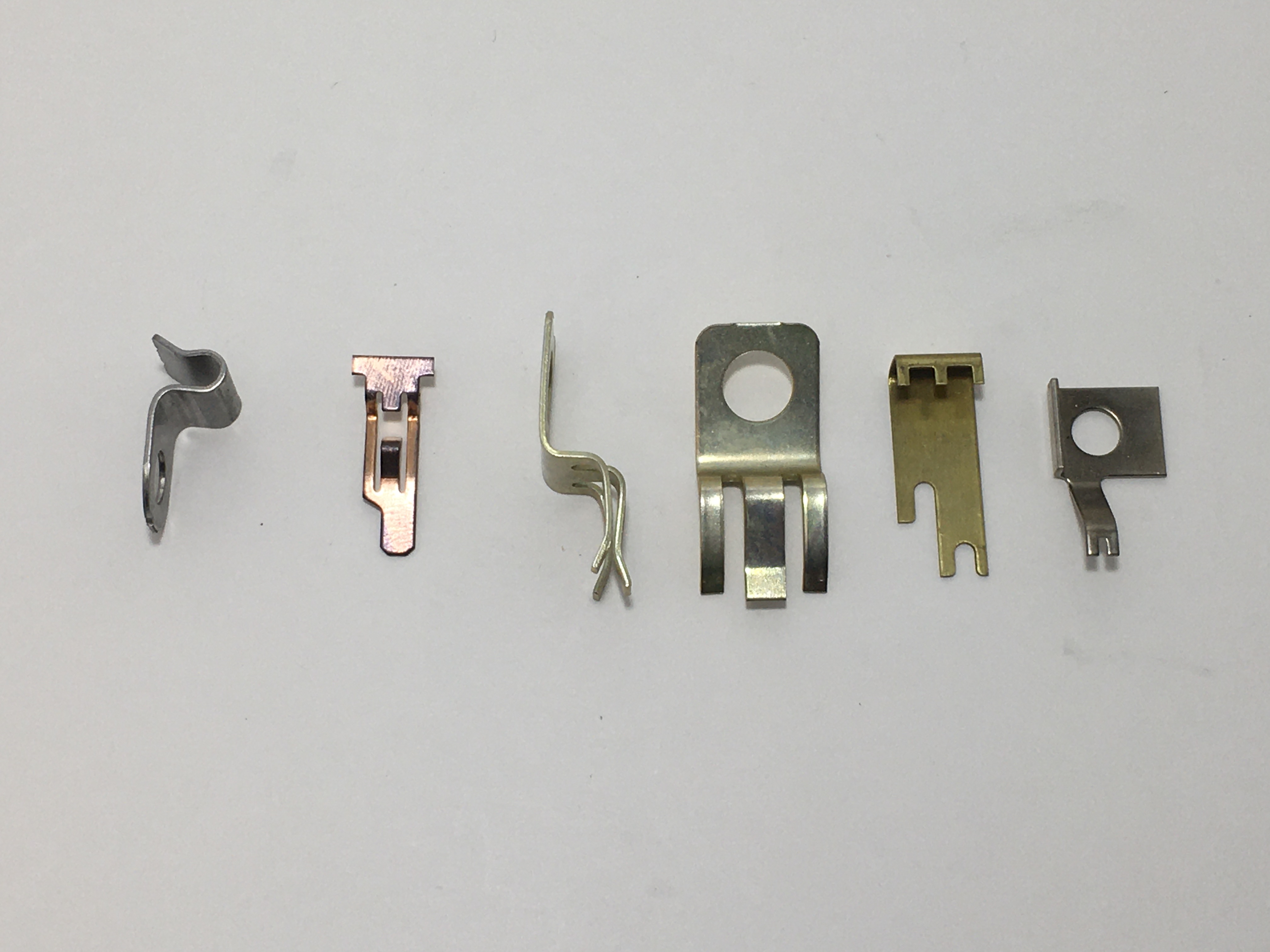
Wire forms and specialty wire components produced by Four-Slide Technology

Common Wire Form Applications

Wire forms are commonly used where the component must retain, route, position, latch, or create spring action inside a compact assembly without introducing unnecessary secondary hardware.

  • Routing clips and retainers
  • Latch and detent features
  • Spring-like formed details
  • Harness and cable supports
  • Contact and positioning features
  • Compact retention hardware

When this page is enough

Use the main product page for the quick fit check. Use the supporting page when the team needs the deeper application and design discussion.

Wire Form Review Priorities

Wire forms may use carbon steel, stainless, spring materials, plated finishes, coatings, or other options selected around corrosion resistance, conductivity, spring performance, and end-use environment.

Programs that depend on spring action, contact pressure, or controlled movement often require closer review of geometry, material temper, working range, and long-term repeatability.

A wire form may need to enter the assembly in a specific sequence, clear surrounding components, hold a routed element in place, or maintain contact under movement or vibration. Those details affect manufacturability and design review.

Prototype and pre-production work may include geometry review, fit verification, spring-behavior discussion, routing-path confirmation, and manufacturability adjustments before full production commitments are made.

Tooling and process planning are usually tied to annual volume, geometry complexity, finish requirements, inspection expectations, and the level of repeatability the program must sustain.

Common Questions About Wire Forms

What kinds of functions do wire forms usually support?

Wire forms commonly support routing, retention, spring action, latching, contact, positioning, and installed support functions inside larger assemblies.

Can wire forms be reviewed before the final design is complete?

Yes. Early review often helps clarify whether the geometry, material, spring behavior, or packaging constraints align with the intended manufacturing path before the design is fully locked.

What information helps the review move faster?

Drawings, CAD, reference parts, retained-medium details, spring-force expectations, material preferences, and a clear description of the installed function all help support faster manufacturability review.

Can both prototype and production programs be supported?

Yes. Depending on the application, support may begin with prototype review and continue into tooling refinement, validation, and repeatable long-term production.

Need Custom Wire Forms?

Share drawings, material requirements, spring-force expectations, or packaging constraints to begin review.