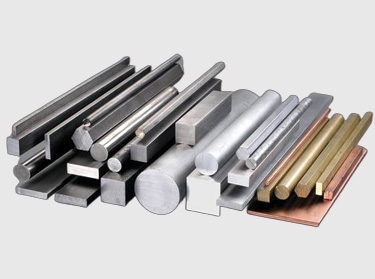
Material & Sourcing Support For Formed Metal Components

Selecting the right material is one of the most important decisions within any clip, clamp, bracket, wire form, stamping, or formed metal component program.

At Four-Slide Technology, Inc., we work with a broad range of metals and alloys to help balance strength, corrosion resistance, conductivity, spring characteristics, manufacturability, long-term durability, cost, and material availability.

Material sourcing and alloy selection support for formed components

Material Selection Based On Application Requirements

Material selection affects much more than the final appearance of the component. Strength, flexibility, conductivity, fatigue resistance, corrosion resistance, formability, heat tolerance, and spring performance all influence how the part performs during manufacturing, assembly, and long-term field use.

  • Packaging constraints
  • Operating environment
  • Electrical requirements
  • Vibration exposure
  • Serviceability
  • Coating requirements
  • Regulatory expectations

The right material must support both function and manufacturability

The goal is to select materials that support both the functional performance of the component and the manufacturability requirements of the production process.

What To Align During Material Review

Material and finish planning for metal component production

Material selection is closely tied to manufacturability. Different materials respond differently during forming, bending, stamping, welding, plating, assembly, and heat treatment.

Engineering and manufacturing review may consider material thickness, temper, grain direction, springback behavior, forming limitations, coating compatibility, weldability, and downstream assembly requirements.

Material & Finish Review Priorities

Programs may use carbon steels, spring steels, stainless steels, copper alloys, aluminum, and specialty materials depending on application requirements and manufacturing considerations.

Finish coordination may include zinc plating, coatings, e-coat, conductive finishes, corrosion-resistant treatments, and heat treatment where hardness or spring performance must be controlled.

Material thickness, temper, grain direction, springback, weldability, and coating compatibility all influence how the part behaves during production.

Incoming inspection, certification review, traceability documentation, and customer-specific compliance controls help protect sourcing consistency and production continuity.

Early material review helps balance performance, cost, availability, manufacturability, durability, and production efficiency before the program moves too far into tooling or launch planning.

Common Questions About Materials & Sourcing

What materials are commonly used for four-slide and stamped components?

Programs may utilize carbon steels, spring steels, stainless steels, copper alloys, aluminum, and specialty materials depending on application requirements and manufacturing considerations.

Can material recommendations be provided during engineering review?

Yes. Material selection may be reviewed during engineering and manufacturability evaluation based on performance requirements, geometry, durability, conductivity, and production objectives.

Are plating and coating options available?

Yes. Depending on the application, programs may support zinc plating, coatings, e-coat, conductive finishes, corrosion-resistant treatments, and customer-specified surface finishes.

How are material certifications and traceability handled?

Incoming material inspection, certification review, traceability documentation, and sourcing controls are managed within the quality management system.

Can materials be selected to support lightweighting or conductivity requirements?

Yes. Material selection may consider factors such as weight reduction, electrical conductivity, corrosion resistance, spring performance, and long-term durability.

Discuss Material & Production Requirements With Our Team

Send drawings, specifications, material requirements, or application details to review material, finish, and sourcing options for your manufacturing program.