Application-Specific Formed Components For Unique Assembly Requirements

Four-Slide Technology, Inc. manufactures specialty fasteners, retainers, hangers, and custom formed metal components designed around application-specific assembly, retention, routing, and mounting requirements.

These programs often begin when standard catalog hardware does not properly support packaging constraints, installation conditions, retention requirements, assembly interaction, geometry limitations, vibration exposure, or integrated functionality.

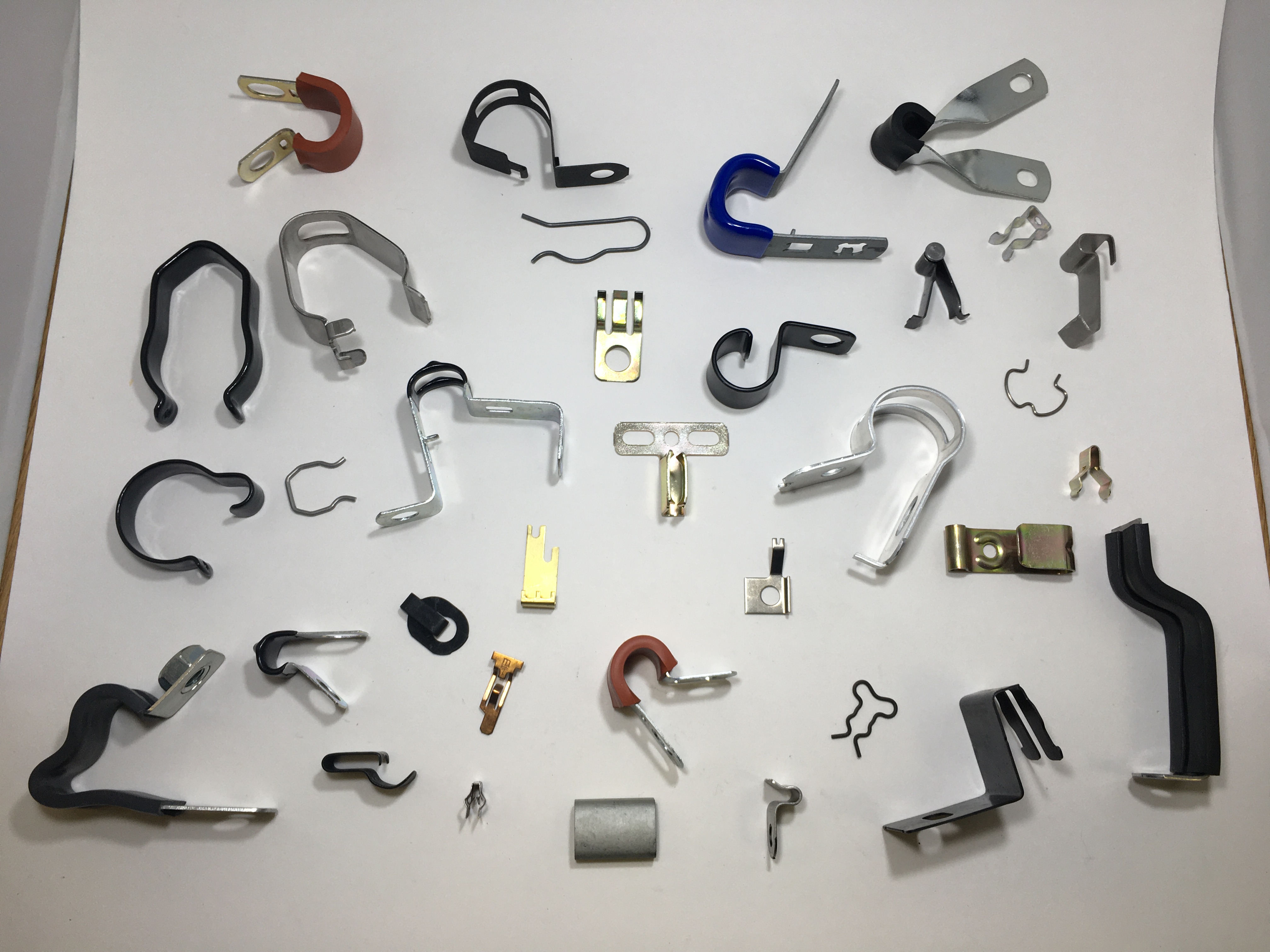
Assorted metal fasteners and custom components produced by Four-Slide Technology, Inc.

Common Custom Component Applications

Custom fasteners and specialty formed components are commonly used where assemblies require application-specific geometry or integrated functionality that standard hardware cannot provide efficiently.

  • Specialty retainers
  • Routing hardware
  • Integrated mounting features
  • Formed hangers
  • Spring-loaded retainers
  • Custom fastening hardware
  • Alignment features
  • Protective formed components
  • Multi-function formed parts

Built for packaging efficiency and repeatable retention

These components are frequently used throughout automotive systems, electric vehicles, commercial vehicles, heavy truck applications, industrial equipment, energy systems, and building products where vibration resistance, controlled installation, integrated functionality, assembly simplification, and long-term durability all matter.

Key Geometry, Material & Production Variables

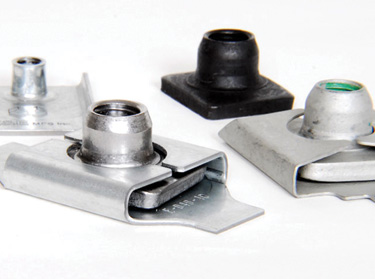
Detail view of custom metal fastener components

Custom formed components are often driven by how the part interacts with the surrounding assembly rather than by a standard hardware category alone.

Factors such as geometry constraints, integrated bends, mounting features, spring characteristics, retained-part interaction, assembly sequence, material thickness, finish requirements, and installation behavior all influence how the component performs within production and long-term field use.

Fastener Review Priorities

Custom formed components often combine retention, mounting, alignment, routing, or protective functions into one geometry selected around the real assembly constraint rather than a standard part category.

Programs commonly evaluate materials and finishes around strength, stiffness, corrosion resistance, assembly interaction, conductivity, spring behavior, and long-term durability.

Early concept review, prototype samples, and validation work can help refine geometry, interface behavior, and manufacturability before long-run tooling decisions are finalized.

Depending on the application, programs may involve secondary operations, hardware insertion, welding, or integration into larger assemblies when that improves installation efficiency or production stability.

Production planning, inspection expectations, customer-specific packaging, and documentation support can be incorporated based on the handling and traceability needs of the program.

Common Questions About Custom Fasteners & Components

What types of parts fall into the custom fastener category?

Programs may include specialty retainers, hangers, routing hardware, integrated mounting components, spring-loaded features, and other formed metal parts designed around specific assembly requirements.

Can custom components combine multiple functions into one part?

Yes. Many custom formed components are developed to combine retention, mounting, alignment, routing, or protective features into a single integrated geometry.

What information is most helpful during quote review?

Drawings, packaging constraints, retained-part details, material requirements, annual volume, and assembly interaction information all help support manufacturability review.

Can manufacturability feedback happen early in development?

Yes. Engineering and manufacturability review may help evaluate geometry, tooling strategy, integrated features, and production approach before tooling is finalized.

Need Application-Specific Formed Components For Your Assembly?

Share drawings, concepts, packaging constraints, or production requirements to begin a manufacturing and engineering review with our team.