Where Bracket Applications Usually Get More Specific

Use this page when the bracket family is already close, but the assembly still needs a clearer discussion around mounting conditions, load paths, and installed position.

It keeps the application-level questions separate from the shorter parent page so the main product page can stay concise and decision-oriented.

Custom metal brackets and bracketry produced by Four-Slide Technology, Inc.

Where Brackets & Bracketry Commonly Fit

Brackets are commonly used where assemblies require stable mounting, controlled positioning, reinforcement, shielding, or repeatable attachment within larger systems.

  • Mounted supports
  • Chassis brackets
  • Shielding brackets
  • Cooling-system supports
  • Routing hardware
  • Enclosure mounting
  • Structural reinforcement
  • Harness supports

Main Product Page

Use the main product page for the shorter fit check and direct quote path.

What Engineers Usually Need To Confirm

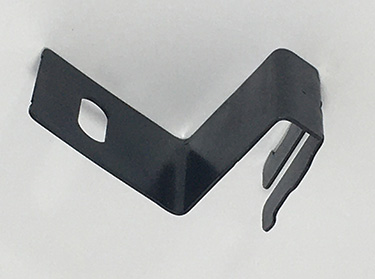
Detail view of formed metal bracket with mounting features

Bracket performance is often driven by more than the basic mounting shape alone.

Factors such as bend geometry, offsets, hole locations, tabs, slots, embosses, mounting interfaces, material thickness, and assembly interaction all influence how the component performs during installation and long-term use.

  • Materials, Thicknesses & Surface Finishes
  • Hole Patterns, Tabs & Mounting Features
  • Secondary Operations & Assembly Integration
  • Production Volumes & Tooling Strategy
  • Packaging & Delivery Requirements

Questions That Often Affect Quote Review

Bracket programs may use carbon steel, stainless steel, specialty alloys, and selected finishes based on corrosion resistance, structural requirements, appearance, and environmental exposure.

Mounting geometry often includes pierced features, tabs, slots, offsets, embosses, and locating details chosen around interface accuracy, installation repeatability, and mating-part interaction.

Depending on the application, bracket programs may involve secondary forming, welding, hardware insertion, fastening, or integration into larger assemblies when that improves manufacturing flow or downstream installation.

Common Questions

What types of applications commonly use formed brackets?

Formed brackets are commonly used for mounting, positioning, reinforcement, shielding, routing support, and assembly integration across transportation, industrial, electrical, and equipment applications.

Can brackets be integrated into assemblies or welded subassemblies?

Yes. Depending on the application, bracket programs may involve secondary forming, welding, hardware insertion, fastening, or assembly integration.

What information is typically helpful during quote review?

Drawings, mounting conditions, load expectations, material requirements, annual volume, finish specifications, and assembly interaction details all help support manufacturability review.

Back To Product Page

Need The Actual Bracket Reviewed?

Send the drawing, mounting interface, and production context so the actual bracket application can be reviewed directly.