Formed Hardware For Automotive Routing, Retention & Launch Control

Automotive programs put unusual pressure on small hardware because those parts affect routing, retention, installation speed, and downstream build consistency.

The work is rarely only about the part print. It is also about whether the supplier path supports launch timing, repeatable quality, and stable long-run production.
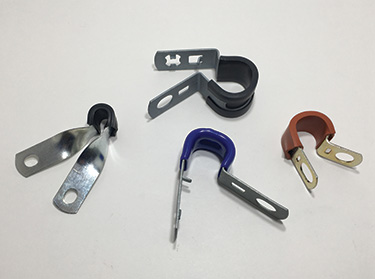
Automotive clip and clamp detail

Where Automotive Programs Usually Need More Review

Prototype and production launch support for automotive programs

The harder questions are often about packaging, installed position, launch readiness, and whether the geometry can be produced consistently at scale.

That is where early manufacturability and tooling review can reduce risk before the program reaches a harder release stage.

Typical Automotive Component Roles

Hardware used where routing control, repeatable installation, and disciplined production support matter across launch and long-run supply.

  • harness and tube routing hardware
  • retention clips and clamps
  • formed brackets and supports
  • shielding and cover-related hardware
  • launch-ready formed components

Why Early Component Review Matters

Program fit also depends on whether the supplier can support quality documentation, launch coordination, and stable repeatability through the production life of the part.

An Approach Built Around Production Stability

Automotive teams usually need more than a part price. They need to know whether the supplier path supports launch discipline, quality expectations, and stable production performance.

That is where integrated tooling, quality, and production planning become part of the review, not an afterthought.

Common Questions About Automotive Component Support

What automotive components are commonly reviewed?

Common examples include routing clips, retention brackets, supports, shields, and other formed hardware used around tightly packaged automotive assemblies.

What usually drives the review on automotive programs?

Packaging constraints, launch timing, repeatability, and long-run production stability usually matter as much as the geometry itself.

Can the team review parts before the program is fully stable?

Yes. Early review is often the best time to identify manufacturability and installation risks before release pressure increases.