Formed Hardware For EV Packaging, Routing & Thermal Systems

Electric-vehicle programs compress more routing, shielding, and cooling hardware into less space. That changes what small metal components need to do inside the assembly.

The parts often need to retain high-voltage cable paths, separate systems cleanly, support covers or modules, and survive thermal cycling without adding unnecessary handling or part count.

Bracketry and formed components for electric vehicle programs

Where EV Programs Usually Need The Most Support
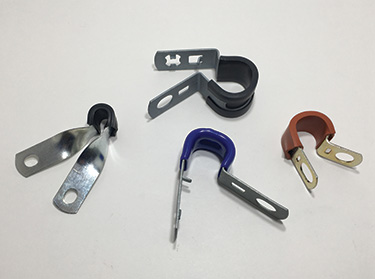
Clip and clamp detail for EV harness and line routing

The hardest EV component questions are usually about packaging discipline: cable separation, abrasion control, cooling-line support, service access, and how the part installs around battery, charging, and power-electronics hardware.

That is where formed clips, clamps, brackets, and supports can help simplify the package when the geometry and production path are reviewed early.

Typical EV-Focused Component Roles

Support hardware for battery, charging, and power-electronics environments where routing control and repeatable retention matter.

  • high-voltage cable routing and separation
  • cooling-line retention and support
  • shielding and cover-support brackets
  • formed supports for packaged modules
  • prototype-to-production support for evolving layouts

Why Early Component Review Matters

Parts used around high-voltage cables, cooling lines, covers, and structural interfaces need to fit consistently and install cleanly. That is where early manufacturability review helps.

A Better Fit When Packaging Control Matters

If the EV program is moving quickly, the most useful support usually comes from reviewing the part in the context of the full electrical and mechanical package rather than treating it as a standalone bracket or clip.

That helps determine whether the geometry, material assumptions, and production path support both installation and long-term service conditions.

Common Questions About EV Component Support

What kinds of EV components are commonly reviewed?

Common reviews involve cable-routing clips, cooling-line retainers, support brackets, shield-related hardware, and formed parts used around battery and power-electronics packaging.

What usually makes EV programs harder than standard routing hardware work?

Tighter packaging, thermal exposure, cable separation, abrasion risk, and rapid platform changes usually add more review pressure than the part size alone suggests.

Can EV parts be reviewed while the package is still moving?

Yes. Early review is often the best time to check routing, retention, and manufacturability before the package becomes harder to change.