Formed Hardware For Heavy-Duty Routing, Mounting & Retention

Heavy-truck programs put small metal components into environments where vibration, heat, exposure, and service life are constant concerns.

The hardware often needs to stay stable across long duty cycles while supporting hoses, wiring, shielding, mounted systems, and service-access requirements.
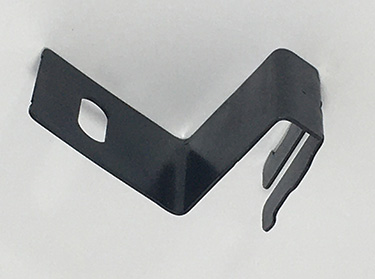
Bracket detail for heavy truck applications

Where Heavy-Truck Programs Usually Get More Demanding

Production capability supporting heavy truck components

The hardest questions are usually about durability in motion: routing hardware that stays put, mounting details that tolerate vibration, and formed features that do not lose position over time.

That makes manufacturability review important early, especially when the part has to survive exposure, movement, and long-life service expectations.

Typical Heavy-Truck Component Roles

Hardware used where long-duty routing control, mounting stability, and service durability are all part of the requirement.

  • harness and tube-routing hardware
  • retention clips for exposed service conditions
  • mounted and reinforced brackets
  • protective and shielding supports
  • formed hardware for long-duty assemblies

Why Early Component Review Matters

The part may be small, but its job is not. Heavy-truck hardware often supports systems where inconsistent retention or routing creates larger reliability problems downstream.

Support Built Around Service-Life Stability

The value is usually not only the part geometry. It is whether the hardware can be produced repeatably and still hold up in the actual truck environment.

That is where part review, material selection, and production planning need to be tied together early.

Common Questions About Heavy-Truck Component Support

What kinds of heavy-truck components are commonly reviewed?

Typical parts include routing clips, retention clamps, support brackets, shields, and formed hardware used around chassis, underhood, and mounted-service systems.

What usually drives material and finish decisions in heavy-truck work?

Vibration, corrosion exposure, temperature swings, abrasion risk, and expected service life usually drive those decisions more than appearance alone.

Can early manufacturability review help with long-life durability concerns?

Yes. Early review can help surface geometry, material, and mounting concerns before the part is too far into release.