Formed Hardware For Heavy-Engine Routing & Support

Heavy-engine programs often place small hardware into hot, vibrating, service-heavy environments where routing and support parts need to keep their position over long duty cycles.

Even simple formed components can become critical when they manage tubing, harnesses, shields, or mounted systems close to heat and motion.
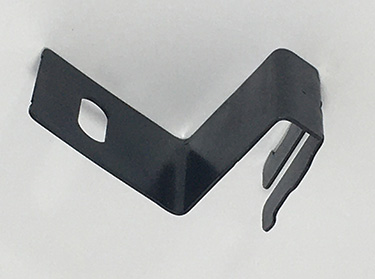
Formed bracket for heavy engine applications

Where Heavy-Engine Programs Usually Need More Review

Materials and finish considerations for heavy engine components

The review usually centers on heat, vibration, retention stability, and whether the part can survive its service environment without losing its function.

That is where material, finish, geometry, and production-path review need to stay connected.

Typical Heavy-Engine Component Roles

Hardware used where routing control, mounted stability, and thermal or vibration resistance matter in demanding engine environments.

  • routing clips and clamps
  • mounted support brackets
  • shielding and cover hardware
  • formed retention parts near engine systems
  • durable supports for long-duty service

Why Early Component Review Matters

When the component sits near heat, vibration, and fluid systems, stable retention and correct material behavior become more important than the part’s size suggests.

Support Built Around Heat & Duty-Cycle Reality

The strongest review usually comes from looking at the part in the real engine environment rather than only as a generic clip or bracket print.

That helps align material, geometry, and production approach with the actual service conditions the hardware will face.

Common Questions About Heavy-Engine Component Support

What kinds of heavy-engine components are commonly reviewed?

Common examples include clips, clamps, supports, brackets, and formed hardware used around tubing, harness, shield, and mounted engine-related systems.

What usually drives material and finish decisions in these programs?

Heat, vibration, corrosion exposure, abrasion, and long duty-cycle expectations usually drive those decisions.

Can early review help with long-life durability concerns?

Yes. Early review can help identify whether the concept aligns with the environment before the part is too far into release.